





















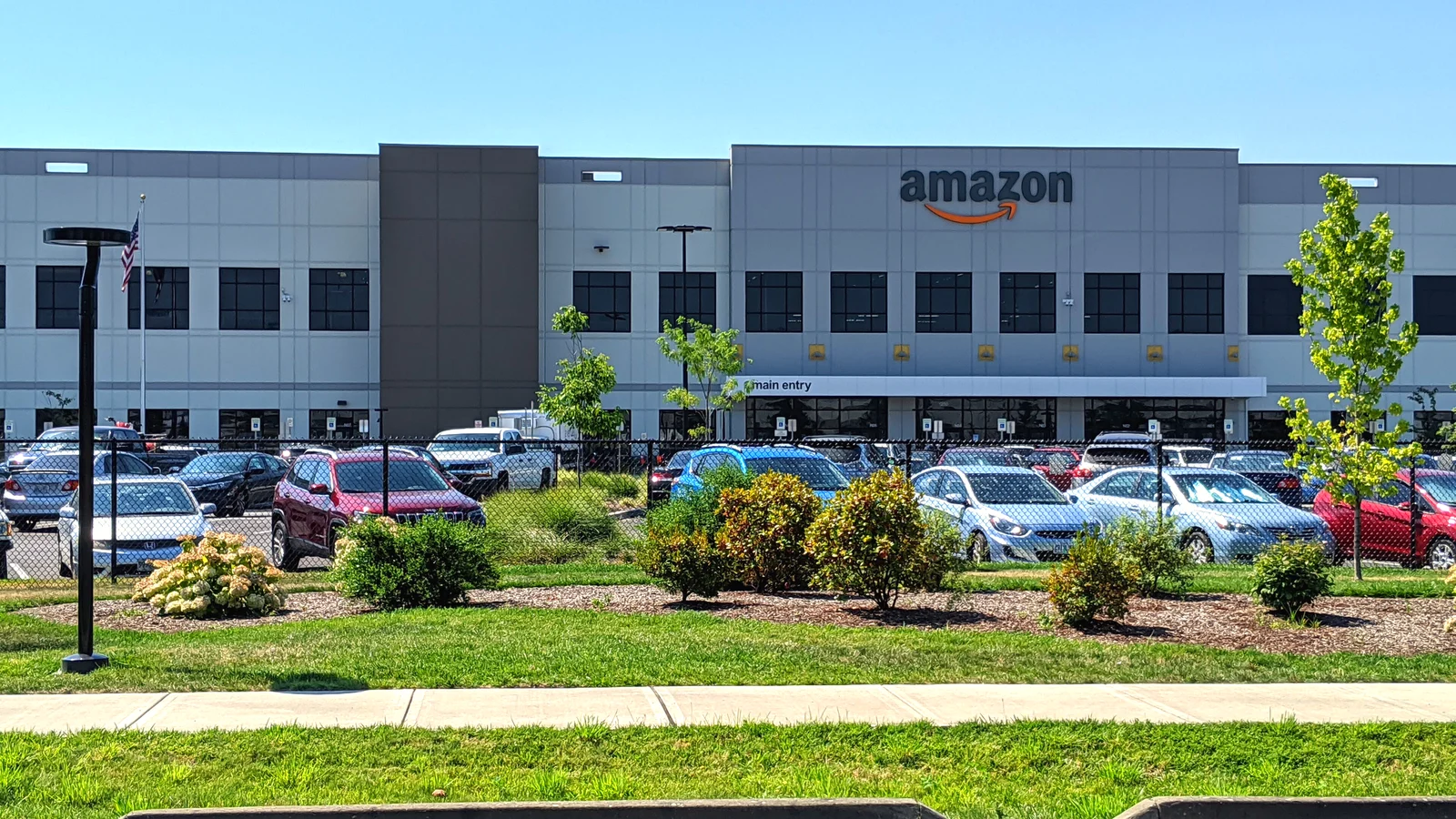
One warehouse, one provider, one login. If that is how your orders ship, you already have an ecommerce fulfillment strategy, picked for you by convenience. On 17 March 2020 a lot of sellers found out what it costs.
What did Amazon’s March 2020 freeze cut off?
The email reached sellers on a Tuesday. Amazon had disabled the creation of new inbound shipments for everything outside the prioritized categories, chiefly baby, health and household, beauty and personal care, grocery, industrial and scientific, and pet supplies. The stated end date was 5 April. Goods already in the buildings stayed on sale, and sellers could still pack and ship orders themselves.
5 April slipped. At the end of March Amazon told sellers the limits would run past 5 April, with the list widened item by item as capacity grew. A spokesperson confirmed to CNBC on 13 April that some nonessential products would be accepted again later that week, limited by quantity. Between the freeze and the word that reopening was coming, 27 days had gone by.
CNBC reported that sellers outside toilet paper and disinfectant wipes said they had been forced to furlough or lay off staff, and others cut advertising.
Amazon gave its reason in a statement: household staples and medical supplies were out of stock, so they would be received first. A warehouse that has to choose will choose by category, and a seller whose category is not on the list waits.
What did Amazon change for sellers after 2020?
In January 2023 Amazon announced that weekly restock limits and a separate storage limit would give way to one monthly capacity limit, with the limit for the coming month plus estimates for the two after it. The reason it gave: weekly limits made it hard for sellers to plan how much inventory to buy and manufacture. In March 2020 the news came as an email and a support document.
Money came next. In April 2026, Modern Retail wrote that Amazon was adding a 3.5% fuel and logistics surcharge to fulfillment fees from April 17, blaming fuel costs tied to the conflict in the Middle East. That is $35 on every $1,000 of fees. Some sellers also got a message that ad costs would come out of their earnings from April 15. Chuck Gregorich, who sells fire pits and outdoor furniture, put the working capital it could tie up at up to $800,000. On April 14 Amazon said it was deferring that change to August 1, 2026, and that it applied only to a small group of advertisers it had contacted directly (EcommerceBytes). That date has passed, and Amazon’s April page does not say what followed.
A backup warehouse is one more bill. Check it against the figures above: the 3.5% on your fulfillment fees and whatever capacity limit Amazon has set for you. Whatever is left is what you can afford to move first.
What did the demand numbers look like in spring 2020?
The Census Bureau’s second-quarter 2020 report gives the quarterly picture, April to June, not the March days themselves. Seasonally adjusted US e-commerce sales were a preliminary $211.5 billion, up 31.8 percent on the first quarter, while total retail sales fell 3.9 percent. E-commerce went from 11.8 percent of retail sales in the first quarter to 16.1 percent in the second.
Amazon announced on 16 March that it would hire as many as 100,000 more warehouse and delivery workers to cope with the surge.
A third-party fulfillment contract is not a cure by itself, since other providers may meet the same squeeze. It gives you a second place for stock, with different rules and a different capacity limit. TechCrunch reported that Amazon’s help document let sellers ship orders themselves, and a second warehouse makes that option far less painful than packing cartons at your kitchen table.
What should a backup look like before the next disruption?
It has to hold stock. A signed agreement with a second provider who has never received a carton of your goods is a contact list. On the morning the first provider closes inbound, an empty account ships nothing. In an ecommerce fulfillment strategy that has to survive a freeze, the second provider needs live volume. Move a slice of your fastest sellers into the second warehouse now, even at a higher per-order price, so the labels, the store integration and the pick-and-pack run on real orders before you need them.
Keep a channel you own in the plan too. TechCrunch wrote that selling on Amazon and fulfilling orders yourself might be the only option through at least the next few weeks to keep offering non-prioritized goods to Amazon buyers. That stays inside Amazon’s marketplace and Amazon’s rules. A store of your own, fed from a second location, sells to your own customers and does not depend on one marketplace.
Then watch stock levels. In July Amazon told sellers that from 16 August it would limit warehouse space for stock with a weak inventory productivity score, with the ceilings that applied set at about three months of stock. Amazon said most sellers would not be affected. It gave the early notice as holiday preparation: 33 new fulfillment centers were opening that year, and it had already cut its own retail ordering to make room for sellers’ goods. Consultant Rick Watson read the move as an attempt to avoid a replay of spring, telling Supply Chain Dive that Amazon could only afford to keep “the top-top-moving products” in FBA. Sellers who import by ocean worried that sailing times, which vary, would trigger stockouts and drag the score down. If that is you, track the containers that carry your replenishment and order the next shipment earlier than the arrival date suggests.
Tell customers the date, too. A consultant quoted by CNBC saw nonessential delivery times differ by city.
If a delay is coming, say so at checkout and name the day the parcel should arrive.
Frequently asked questions
Did the March 2020 freeze also affect Amazon's retail vendors?
Yes. TechCrunch reported that Amazon took a similar approach with retail vendors, its business-to-business selling platform: new inbound shipments were disabled there too, apart from the prioritized categories.
What did sellers fear about Amazon's August 2020 inventory limits?
Seller-forum commenters quoted by Supply Chain Dive warned that the limits would discourage new product launches and favor very large sellers. Amazon waived inventory removal fees from the Tuesday after its notice so sellers could pull back surplus stock.
Could a seller buy more FBA space under the 2023 system?
Amazon said sellers could ask for additional capacity by naming a reservation fee, with requests granted starting from the highest fee per cubic foot. The fee was offset by performance credits earned from sales made with the extra space, up to 100% of the fee, so a seller whose products sold through did not pay for it.